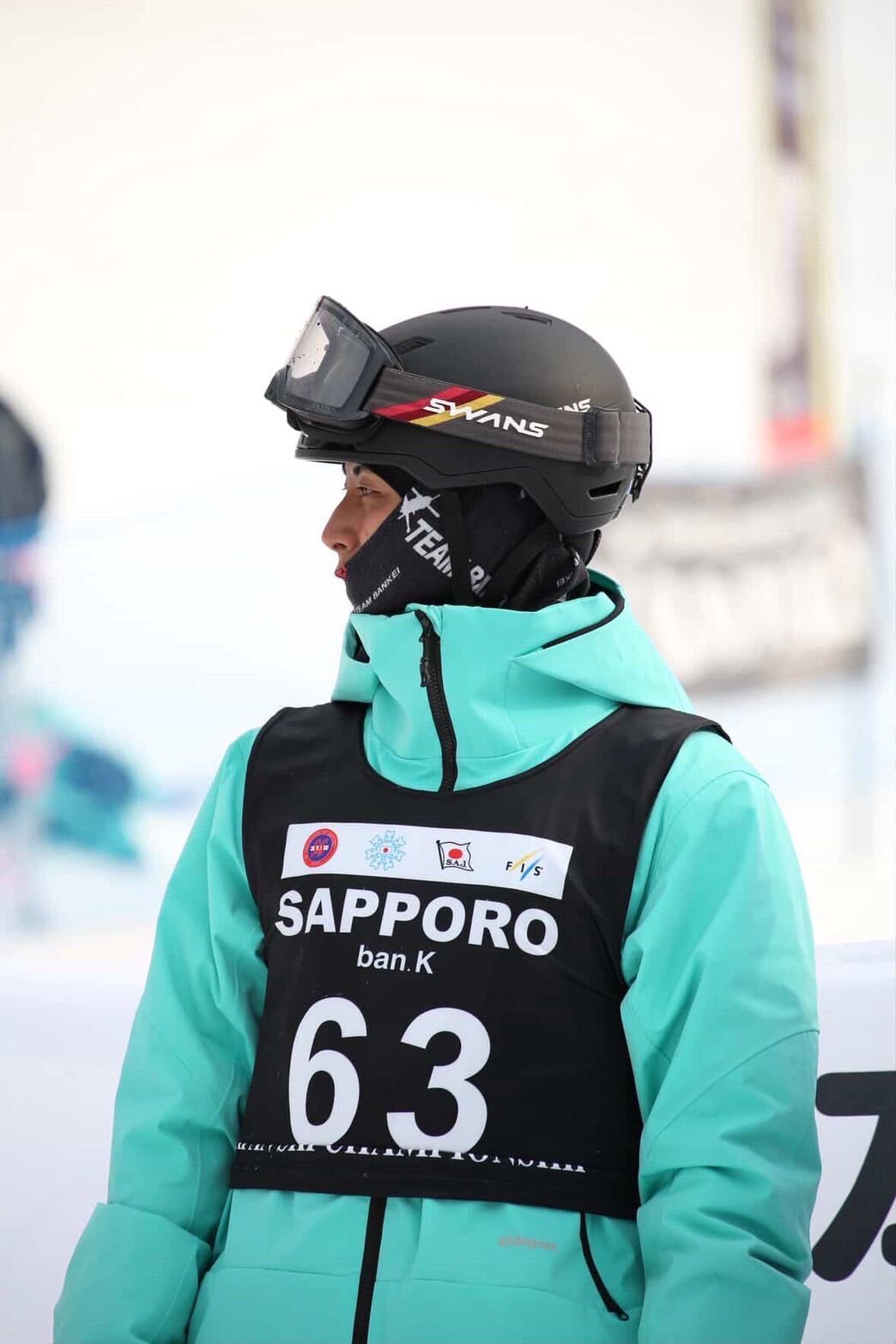
COACH
YUTARO MURATA
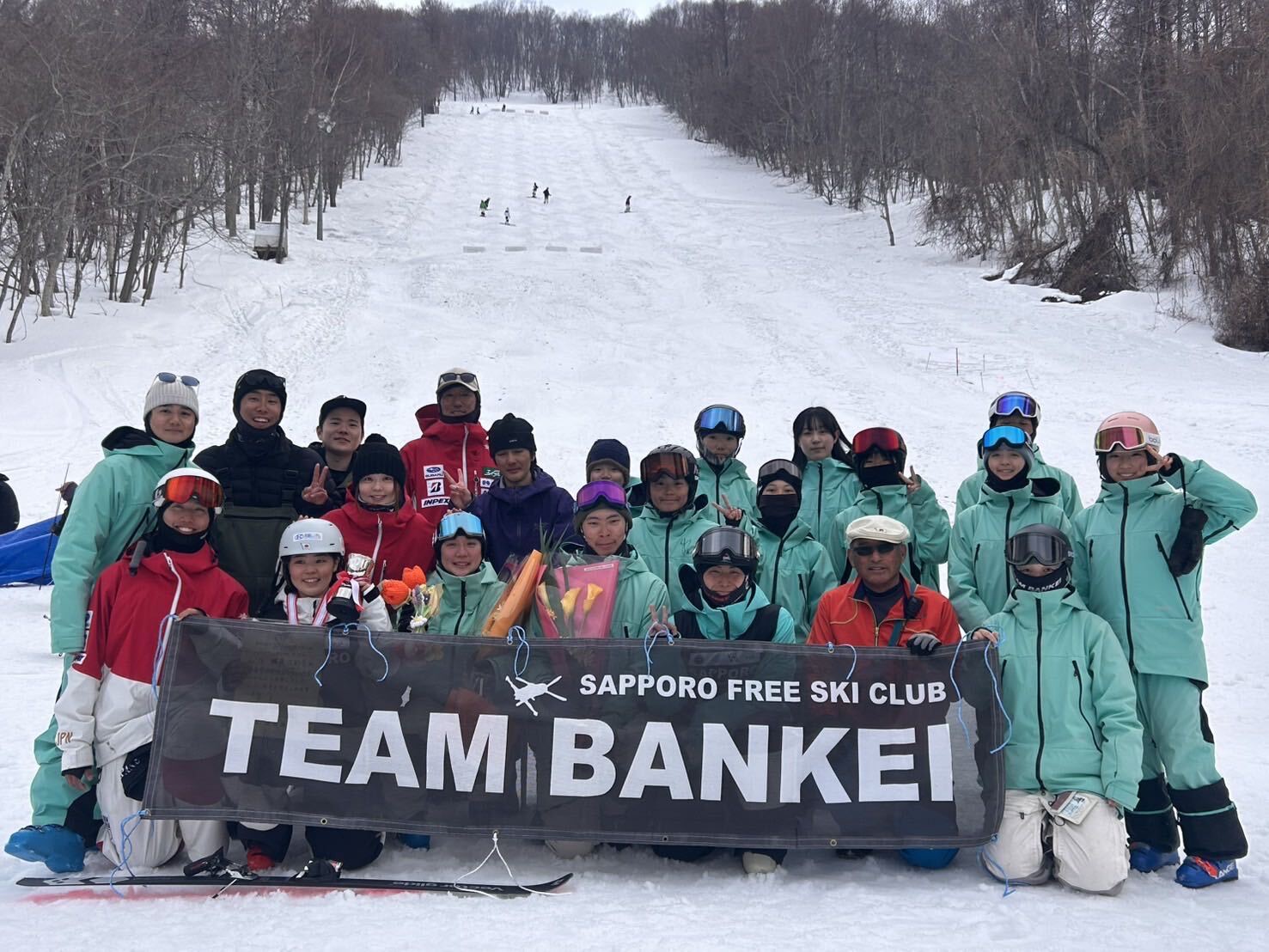
TEAM BANKEI
COACH
Two Decades of Experience, Passed On to the Next Generation.
Yutaro started skiing at the age of three and began training seriously in moguls in first grade.
From elementary school through junior high, he was based in Fukuoka while traveling to Hokkaido during spring, summer, and winter breaks to train with TEAM BANKEI.
He moved to Hokkaido for high school and began competing as a member of TEAM BANKEI. He later represented Japan at World Cups and the World Championships, building nearly 20 years of experience in moguls.
In 2025, he began a new chapter as a coach, passing what he learned throughout his competitive career on to the next generation.
THE JOURNEY
-
Started skiing
-
Began training seriously in moguls
-
Based in Fukuoka while training with TEAM BANKEI in Hokkaido during school breaks
-
Moved to Hokkaido and began competing as a member of TEAM BANKEI
-
Member of the Japanese National Moguls Team
-
Competed at the FIS World Cup in Tazawako
-
4th place in FIS World Cup Dual Moguls
-
Made his World Championships debut in Bakuriani, Georgia
-
7th place in FIS World Cup Moguls
-
Began coaching
02 / FROM ATHLETE TO COACH
Turning Lessons from Injury into Strength for the Next Generation.
Over nearly 20 years as an athlete, I experienced several serious injuries. Some kept me away from competition for three months, while one kept me out for an entire year. Those periods taught me firsthand how frustrating it can be when you are unable to ski the way you want.
Those experiences also made me think about what I could pass on to younger athletes.
Looking back, there are things I wish I had known earlier—things that might have helped me prevent injuries or take better care of my body.
By sharing not only what went well during my career, but also the setbacks and lessons that came with it, I hope to help athletes reduce the risk of injury and continue competing for as long as possible.
COACHING VALUES
Don't Just Give the Answer. Think It Through Together.
I don't want coaching to be about simply giving athletes the answer.
Instead, I want them to first ask themselves: Why didn't that work? What could I do differently to make it better?
From there, I offer the advice they need and help turn their own ideas into action, adjustment, and improvement.
I believe learning to think for themselves is valuable not only for improving performance, but also for their growth as athletes and as people.
Every athlete has a different body, different sensations, and different strengths and weaknesses. Rather than treating my own experience as the one correct answer, I try to understand each athlete and work together with them to find what works best.
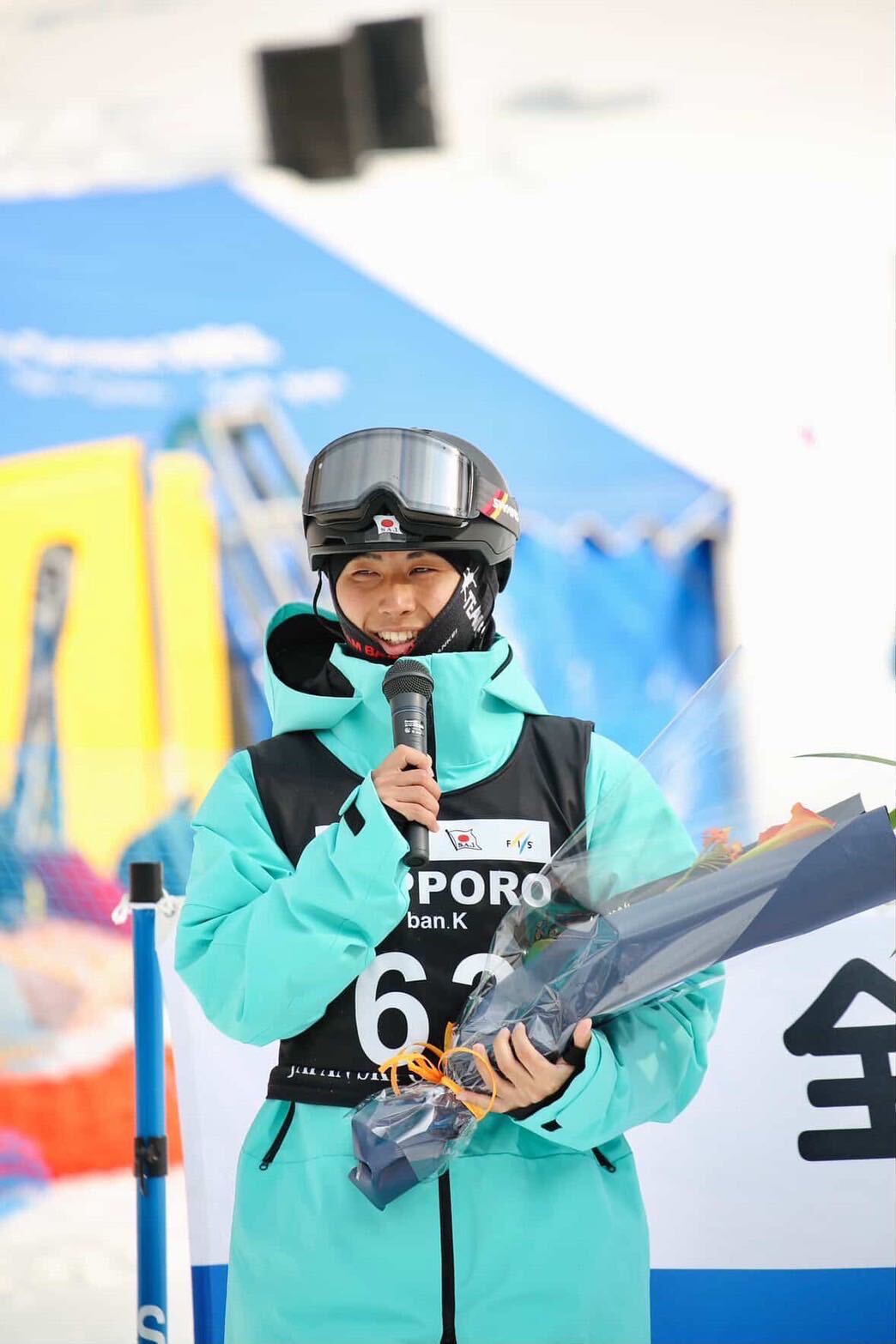
06 / PHOTO
ON THE SNOW
TEAM BANKEI